 The late fall and winter seasons bring with them the joys of the holidays, and you’ve done an immense amount of work to prepare your home for the impending onslaught of guests. You’ve dug out the festive decorations, purchased enough food and supplies to house an army, and prepped all the guest rooms to ensure everyone has a pleasant and comfortable stay.
Until, you notice one thing…
Your carpets are dingy and full of mysterious stains.
If this sounds familiar keep reading.
Luckily for you, the right professional carpet cleaner can get the job done before your first guests arrive. However, during the holiday season, it is important to consider just how important keeping your carpets clean really is.
Prep Your Carpets Now for Your Holiday Plans
Your carpet does more for your home than you may realize. Besides improving the appearance of your home, it also provides a warm, comforting vibe for your guests and provides extra warmth during the cooler fall and winter months. Therefore, it is essential to keep it clean and maintained, especially during the season’s festivities.
Proper carpet maintenance during these high-traffic holiday months includes:
- Regular Vacuuming. Prevent excess outside dirt, holiday crumb, and dust buildup on your carpets by regularly vacuuming. Even if your carpet appears clean on the surface, it is important to remove any particles that have settled into the pile.
RELATED ARTICLE: Why Vacuuming Isn’t the Same as Carpet Cleaning
- Mat Placement. With this season’s heavy guest traffic and uncertain outdoor weather, it is more important than ever to have entry mats readily available. Removing the majority of outside dirt and water – or even removing shoes altogether – will help preserve the appearance and cleanliness of your carpet.
- Timely Stain Treatment. When the worst happens – such as a wine spill on your light-colored carpeting – do your best to remove as much of the excess spill as possible. However, be sure to test any spot remover on a hidden area first, and blot – don’t rub – to ensure you’re not forcing the stain further into the pile.
Professional Carpet Cleaning Service
While maintenance this season is important, there’s really no substitute for a professional carpet cleaning service.
Before your guests arrive, as well as after the extended traffic of the holiday season, get your carpets in the best shape possible. Scheduling professional carpet cleaning services improves the appearance of your home and ensures your guests will be warm and comfortable throughout the holiday season.
For more information about our process, to request a quote, or to schedule your holiday carpet cleaning services, contact Professional Service Restoration today. We’ll restore your carpets to their original beauty just in time for the arrival of all your holiday guests.

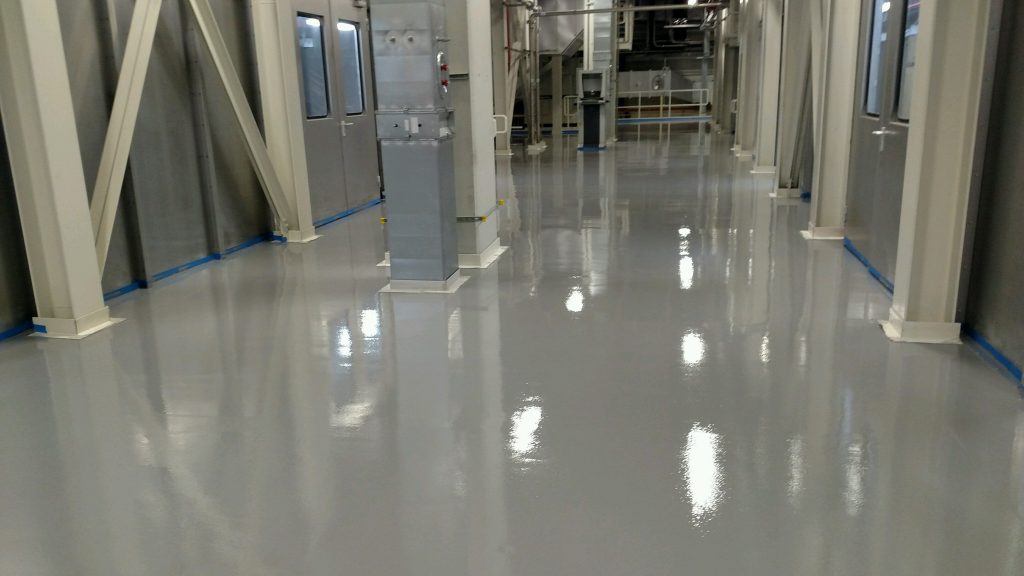 Epoxy is a floor coating that consists of an epoxide resin, hardener, and other stabilizing ingredients that, when mixed, trigger a chemical reaction. Concrete floors coated with an epoxy finish are sealed and cured, giving the floor additional durable qualities. This short guide to the pros and cons of epoxy floors can help you determine if they are the right choice for you.
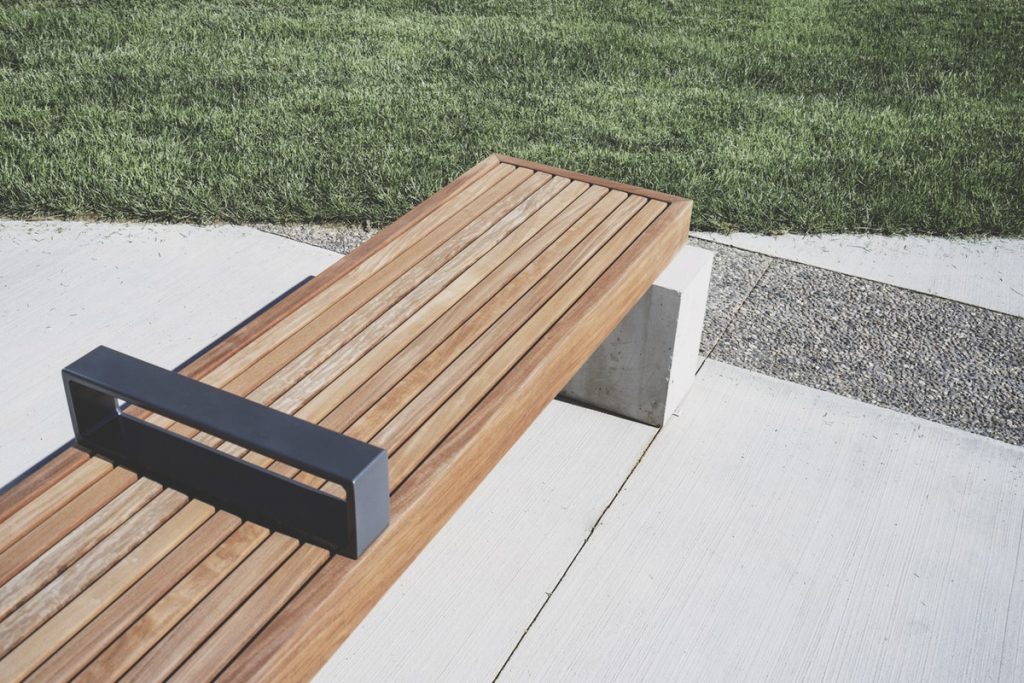 Concrete densifier is often promoted as one of the top advancements in concrete technology today. However, the nature of the product can be confusing to those without a deep knowledge of the concrete industry. What is densifier? How does it work? How might it affect the life of your flooring?
 Are allergens in your business location making your patrons uncomfortable? Many businesses don’t even realize the answer is yes. Seasonal allergens can affect your customers in surprising ways – from scratchy skin to sneezing. Professional Surface Restoration’s cleaning services can help you provide a better experience for them that can mean more business for you.
 The more we learn about the chemicals that comprise common household cleaners, the more concerned we should be about the effects they are having not only on the Earth but on our bodies. While some cleaning agents and materials are effective at cleaning up some difficult messes, they can also pose serious health risks to those who use them or come into contact with them.
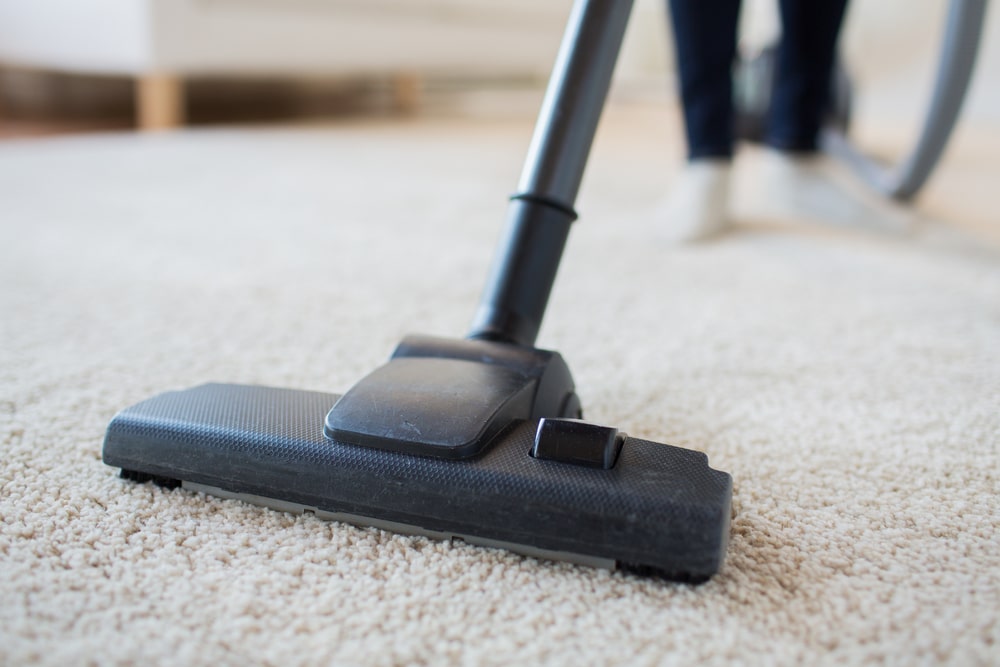 Vacuuming is a great way to clean carpets (and floors) from week-to-week, or more, depending on your home’s needs. However, many people consider a vacuumed carpet “cleaned,” but that’s not always true. Vacuuming may be the best way to get large particles and dirt out of a carpet, but the carpet isn’t actually “clean” until you have gone a bit deeper than simply sucking up the easy-to-reach dirt.
 People don’t give commercial floors much thought when they’re clean and well-maintained. However, that can change quickly when in disrepair or dirty. This can leave customers with the impression that your business doesn’t take the time to attend to small details or possibly doesn’t have the funds to keep the floor clean and safe. They may form a lasting impression that leads customers to believe you won’t take proper care with their products or services either.
 One of the first things potential home buyers notice when going through a house is the condition of the floors. Since the floor is such a large area that will draw the attention of any buyer, if it has cracks, mold, mildew, or other flaws it may cost the realtor a sale. Identify these flooring red flags before a home buyer does.
 Many residential homes feature different types of natural stone floor tile. Compared to other types of floors, such as ceramic tile, wood, and laminate, natural stone floor tile can present its own unique set of cleaning and maintenance challenges. The following tips can make spring cleaning this specific type of floor easier and safer for the material resulting in a longer lasting floor.
 Wood flooring is a popular residential choice for several reasons, such as its flexibility and its ability to infuse a natural element into your home. There are several types of wood flooring, and each requires its own type of maintenance. It is important for homeowners to familiarize themselves with the specific type of wood flooring in their home, as well as how to clean wood floors and respective maintenance needs.