
Natural stone floors are beautiful, but they can be extremely challenging to keep clean. Despite their beauty, natural stone floors have a tendency to become dull and dirty over time because of their porous nature.
While regular cleaning and polishing should help prevent your natural stone floor from becoming too grimy, sometimes you need a little extra help to keep it looking its best. Fortunately, it’s easy to hire a natural stone-cleaning service to get the job done in no time.
Importance of Knowing How to Properly Clean Stone Floors
Whether your natural stone floors have a polished, honed, or flamed finish, it’s important to give them the right care they deserve. A professional can easily identify the category of natural stone to which your flooring material belongs.
Determining what type of stone your floor is made of will help the cleaners know what type of solution to use. Using the wrong type of cleaner may permanently damage the stone because some stones react more strongly to acid than others.
RELATED ARTICLE: Why Is It Important to Hire a Deep Cleaning Service for Your Restaurant?
Best Tips and Practices
Here are some common and practical home-care tips and practices for maintaining the high quality of your stone floors:
Mopping Natural Stone Floors Regularly
Mopping at least once a week prevents dirt and grime buildup on your natural stone floors. You can use a solution with a mild detergent, then thoroughly dry the floors afterward.
Scrub Tile Lines and Crevices
You can scrub the lines and crevices of your natural stone floors using a very soft cloth or sponge. Using an old toothbrush or scouring pad could cause irreparable abrasion to the stone’s surface.
Vacuum with Rotating Brush Deactivated or Broom
When using a vacuum cleaner, turn off the rotating brush first, so it doesn’t scratch the surface of your natural stone floors. Also, don’t use a worn vacuum cleaner as the attachment may permanently etch the surface. You can also use a broom instead.
Use Alkaline or Any Cleansers Safe for Stone Floors
Steer clear of strong cleaners such as vinegar, lemon juice, and acid-based solutions. These can easily corrode the stone’s surface. Only use alkaline formulas or stone-safe soaps.
Use Microfiber Towels and Mops to Clean Your Natural Stone
When it comes to cleaning natural stone floors, dust mops and microfiber towels are your best bet. They’re soft enough for your stone’s surface but provide enough resistance to get rid of the hard gunk safely and effectively.
RELATED ARTICLE: Why Hiring a Professional for Tile and Grout Cleaning In Important in Your Home
For Deep Cleaning and Restoration, Hire Professional Surface Restoration
You don’t need to do back-breaking cleaning just to keep your floors in pristine condition. If you want to keep your natural stone floors looking new, Professional Surface Restoration is a professional surface restoration team that does the work for you.
Stone floors need expert care; it only makes sense to rely on people with a specialized approach for different kinds of floors with varying needs.
Professional Surface Restoration provides safe and efficient hard surface cleaning of natural stone floors. We determine the natural stone’s specific needs and keep them safe and dry using a protective sheet. We polish your floors and leave them looking like the day they were first installed.
For more information on our services, call us at (419) 705-8693 to schedule a free demonstration today!

 Natural stone flooring needs extra care. When you hire someone to
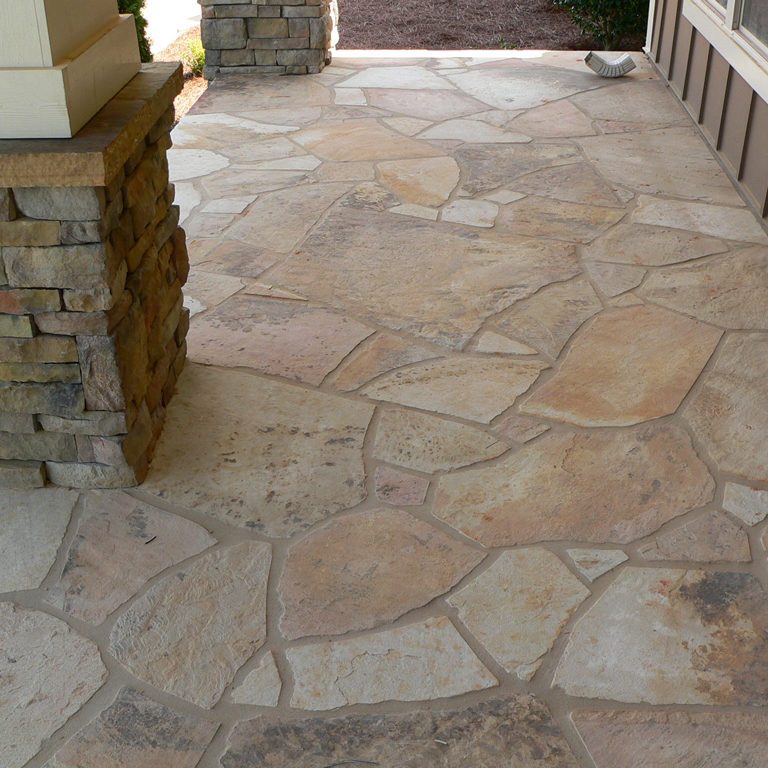
  Natural stone is a beautiful design element that we use in our homes, both in exterior and interior applications. Stone flooring tiles offer an array of colors and pattern options and are unique because of natural variations in the stone itself. Natural stone requires care and regular maintenance to maintain its polished look.
 One of the first things potential home buyers notice when going through a house is the condition of the floors. Since the floor is such a large area that will draw the attention of any buyer, if it has cracks, mold, mildew, or other flaws it may cost the realtor a sale. Identify these flooring red flags before a home buyer does.
 Many residential homes feature different types of natural stone floor tile. Compared to other types of floors, such as ceramic tile, wood, and laminate, natural stone floor tile can present its own unique set of cleaning and maintenance challenges. The following tips can make spring cleaning this specific type of floor easier and safer for the material resulting in a longer lasting floor.
 If you’re preparing to sell a home, chances are you’ve already identified several problem areas you’d like to tackle in order to increase the resale value. Drywall, paint, cabinet hardware, and flooring are all common areas for improvement. Flooring, in particular, is an area many realtors suggest deep cleaning or changing before sale to improve the overall market value of the home.
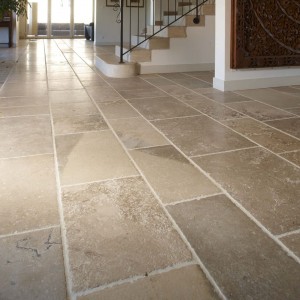 Natural stone floors are a beautiful addition to your home’s interior. Stone is a natural flooring option that uses no dangerous chemicals, but it needs a little extra TLC to stay beautiful. Let’s look at some dos and don’ts for natural stone floor cleaning.
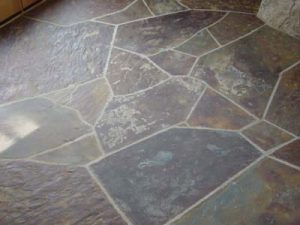 Natural stone flooring is an elegant, striking, and beautiful addition to any home. Stone floors are investments that homeowners should protect. Over time, natural stone floors can continue to shine like new and look their best, even with daily wear and tear. However, it will take a bit of maintenance on your part. Use these