
Monthly Archives

November 2026

Holiday Spill Survival Guide - What to Do in the First 5 Minutes

Holiday Spill Survival Guide – What to Do in the First 5 Minutes

By Carpet Cleaning, Deep Cleaning, Floor Cleaning, Upholstery Cleaning

The holidays are filled with wonderful traditions: family dinners, festive gatherings, football games, and plenty of delicious food. Unfortunately, they’re also prime time for carpet and upholstery accidents.

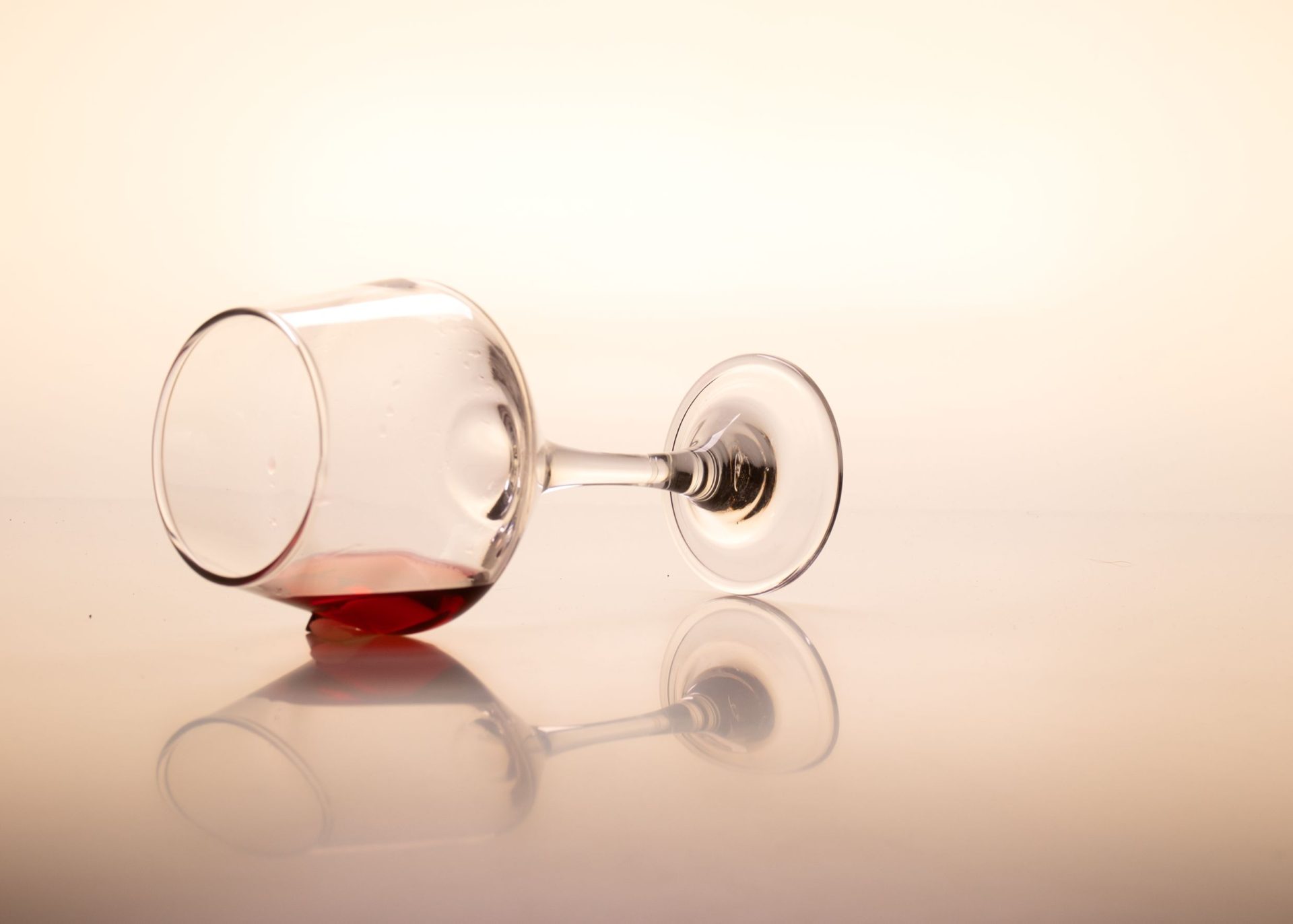
One moment, everyone’s enjoying Thanksgiving dinner. The next, a glass of red wine tips over, gravy lands on the carpet, or someone spills coffee on the couch.

Before you panic or grab the nearest cleaning product, remember this: What you do in the first five minutes can make a big difference in whether that holiday spill becomes a lasting stain.

Minute One: Don’t Rub. Blot!

Your first instinct might be to grab a towel and start scrubbing. Resist that temptation.

Rubbing can spread the spill, push it deeper into carpet fibers, and potentially damage the material.

Instead, use a clean, white, absorbent cloth to gently blot the affected area. Work from the outside toward the center to avoid spreading the stain.

For thicker spills, such as gravy, carefully lift away excess material with a spoon before blotting.

RELATED ARTICLE: What Happens to Your Floors When You Turn the Heat On?

Minute Two: Know What You’re Dealing With

Not all holiday spills are created equal.

Coffee contains compounds that can discolor carpet. Red wine and cranberry sauce contain pigments that may leave stubborn stains. Gravy introduces fats and oils that require a different cleaning approach.

Understanding the spill helps you avoid making things worse.

Most importantly, don’t assume one household cleaning solution works on every stain or fabric.

Minute Three: Be Careful with Water

Water might seem like the obvious solution, but too much can create additional problems.

Excessive moisture can push spills deeper into carpet backing or upholstery cushions. It can also make drying more difficult.

If the material’s care instructions permit water-based cleaning, lightly dampen a clean cloth with cool water and continue blotting.

Avoid saturating the area, and never apply cleaning products without checking their compatibility with the material.

RELATED ARTICLE: ‘Tis the Season for Deep Cleaning

Minute Four: Skip the Internet Cleaning Hacks

The internet is full of suggestions involving vinegar, baking soda, dish soap, and other household products.

Some may work in specific situations, but others can leave residue, cause discoloration, or damage delicate fibers.

Bleach, harsh chemicals, and aggressive scrubbing are particularly risky.

When you’re uncertain about the material or stain, it’s better to stop than experiment with multiple cleaning solutions.

Minute Five: Decide Whether You Need Professional Help

After removing as much of the spill as safely possible, assess the situation.

Is the stain still visible? Has liquid soaked into upholstery cushions? Is the affected carpet made from delicate or specialty fibers?

Some spills require professional residential cleaning help, especially those involving oils, strong pigments, or significant moisture.

Acting quickly improves your chances of successful removal, but professional cleaning may be necessary to address what remains beneath the surface.

RELATED ARTICLE: Holiday Deep Cleaning: Before and After

Common Holiday Carpet Stain Questions We Get Asked

Q. What should I do immediately after spilling something on carpet?

A. Remove any solid material, then gently blot the liquid with a clean, white cloth. Avoid rubbing, excessive moisture, and untested cleaning products. Check the carpet manufacturer’s care instructions before attempting further treatment.

Q. Can red wine stains be removed from carpet?

A. Many red wine stains can be improved or removed, particularly when treated promptly. Results depend on the carpet material, spill size, and previous cleaning attempts.

Q. Should I use hot water on coffee or gravy stains?

A. Not automatically. Hot water can complicate certain stains or damage sensitive materials. Follow the manufacturer’s cleaning recommendations and avoid excessive moisture.

Q. When should I call a professional carpet cleaner?

A. Consider professional help when a stain persists, involves delicate materials, contains significant oil or pigment, or has soaked deeply into carpet or upholstery.

Enjoy the Holidays without Worrying About Every Spill

Holiday accidents happen, even in the most careful households. Knowing how to respond can help protect your carpet and furniture from unnecessary damage.

When a stubborn spill needs more than a towel and quick cleanup, Professional Surface Restoration is ready to help.

Contact Professional Surface Restoration at 419-705-8693 to schedule professional carpet cleaning or upholstery cleaning and keep your home looking its best throughout the holiday season.


What Happens to Your Floors When You Turn the Heat On - Professional Surface Restoration

What Happens to Your Floors When You Turn the Heat On?

By Carpet Cleaning, Deep Cleaning, Floor Cleaning, Residential Cleaning Services, Tile and Grout, Wood Floor Cleaning

As temperatures drop across Northwest Ohio and Southeast Michigan, homeowners begin turning on their furnaces for the first time in months. The house feels warmer, the windows stay closed, and everyone starts spending more time indoors.

But something else happens when heating season begins. Your home’s indoor environment changes, and your floors feel the effects.

From hardwood that develops small gaps to carpets that seem dustier than usual, the transition from fall to winter can affect your flooring in ways you might not expect.

The Hidden Connection Between Heat and Humidity

When your furnace heats the air inside your home, the relative humidity often drops, particularly as cold outdoor air enters and warms up.

That drier environment can affect flooring materials, especially those sensitive to moisture.

During warmer, more humid months, certain materials absorb moisture from the surrounding air. When indoor humidity decreases, they may release moisture and contract.

The result? Floors that look, feel, or even sound different once heating season arrives.

RELATED ARTICLE: The Hidden Life of Your Carpet

Why Hardwood Floors React to Dry Air

Hardwood flooring is particularly sensitive to changes in humidity.

Wood naturally expands and contracts as its moisture content changes. During winter, dry indoor conditions can cause boards to shrink slightly, sometimes creating small gaps between planks.

You might also notice occasional creaking as flooring responds to seasonal changes.

Maintaining consistent indoor humidity, generally within the range recommended by your flooring manufacturer, can help minimize excessive movement.

Regular deep cleaning also matters. Dust and grit left on hardwood surfaces can contribute to finish wear as people walk across them.

Does Turning on the Heat Make Carpets Dustier?

Your furnace doesn’t necessarily create more dust, but heating season can make accumulated particles more noticeable.

Forced-air systems circulate air throughout your home, potentially moving settled dust when airflow disturbs it. Meanwhile, closed windows, increased indoor activity, and more time spent inside can change how dust accumulates.

Carpets can hold dust, pet dander, pollen, and other fine particles brought indoors throughout the year.

Regular vacuuming helps remove loose debris, but some particles become embedded deeper in carpet fibers.

That’s where periodic professional carpet cleaning becomes an important part of your maintenance routine.

RELATED ARTICLE: Think Your Floors Are Clean? Here’s a Simple Test.

Don’t Forget Tile, Grout, and Other Surfaces

Hard surfaces aren’t immune to seasonal changes.

Tile and grout collect dust and tracked-in dirt, particularly near entryways and kitchens. As fall turns into winter, shoes begin carrying additional moisture, mud, and eventually road salt indoors.

Grout lines can gradually discolor as soil accumulates, while grit may scratch certain flooring finishes.

Cleaning these surfaces before winter traffic increases helps prevent buildup from becoming harder to manage.

RELATED ARTICLE: The Fall Allergy Cleaning Mistake

Common Questions About Heating and Flooring

Q. Does indoor heating affect hardwood floors and carpet?

A. Yes, although differently. Lower indoor humidity can cause hardwood to contract, sometimes creating small gaps. Carpet generally doesn’t react the same way, but dust and other accumulated particles may become more noticeable during heating season.

Q. Why do hardwood floors develop gaps in winter?

A. Wood loses moisture when indoor air becomes drier. As the boards contract, small spaces may appear between them. Minor seasonal gaps often diminish when humidity increases again.

Q. Does professional carpet cleaning help remove dust before winter?

A. Professional carpet cleaning can remove embedded soil, dust, and other particles that routine vacuuming may leave behind. It’s a useful complement to regular household cleaning.

Q. When should I professionally clean my floors before winter?

A. October and November are convenient times to address accumulated summer and fall dirt before snow, salt, holiday gatherings, and heavier indoor activity arrive.

Give Your Floors a Fresh Start Before Winter

Turning on the heat is a reminder that your home is entering another season of wear and changing conditions.

Professional Surface Restoration helps homeowners throughout Northwest Ohio and Southeast Michigan maintain cleaner carpets, hardwood, tile, grout, and other flooring surfaces.

Contact Professional Surface Restoration today to schedule your fall floor cleaning and prepare your home for the colder months ahead.