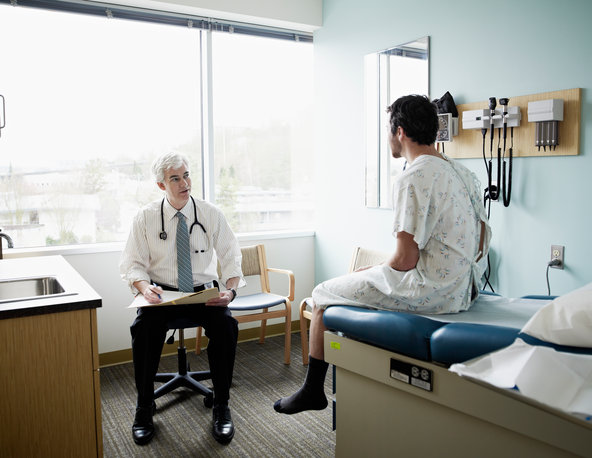
 Across the country, social distancing guidelines and stay-at-home orders have forced many businesses to close up, at least temporarily, until the dangers of the coronavirus have passed. Even some medical offices and clinics are shut down or only allowing for emergency visits. Most elective or non-emergency visits and procedures have been postponed or cancelled for now.
For any medical office that is closed or operating at a reduced capacity, now is the perfect time for a deep cleaning.
Here are the main reasons why a professional medical office deep cleaning is so important:
Deep Cleaning Kills the Virus
Perhaps most importantly, a proper and thorough deep cleaning can get rid of the virus that may be lingering on surfaces in the office. Scientists are still studying and learning about the coronavirus, but they do know that the virus can live on certain surfaces for quite a while. This depends on the type of surface. For example, the virus can survive longer on glass or ceramic surfaces than on material like copper. A professional cleaning team can disinfect all surfaces where the virus might be living.
RELATED ARTICLE: Deep Cleaning Restaurants During Ohio’s Stay-in-Place Order
Deep Cleaning Shows Your Patients That You Care
Any medical office should take their patients’ health seriously, and a good deep cleaning at this time is an important way to communicate to your patients that you value their health and safety. Patients may have concerns about commonly touched items and surfaces in the office, like doorknobs, countertops, and furniture.
Many waiting rooms also have some toys for children to play with, as well as magazines and informational pamphlets for waiting patients to read. It’s important at this time to deep clean all of these items and communicate to your patients just how everything is being cleaned.
Deep Cleaning Sets Everyone’s Mind at Ease
Fears run rampant in a pandemic, but a clean environment can put everyone’s mind at ease. Patients and staff members want to feel safe and comfortable in their environment, and a deep cleaning can help everyone who later enters your office to feel comfortable and cared for.
During the coming weeks, while businesses are closed and more people are staying at home, it is a great time to schedule a deep cleaning for your medical office. Professional Surface Restoration has the expertise and experience needed to deep clean your office and keep your patients and staff safe from coronavirus exposure. Contact us for more information.

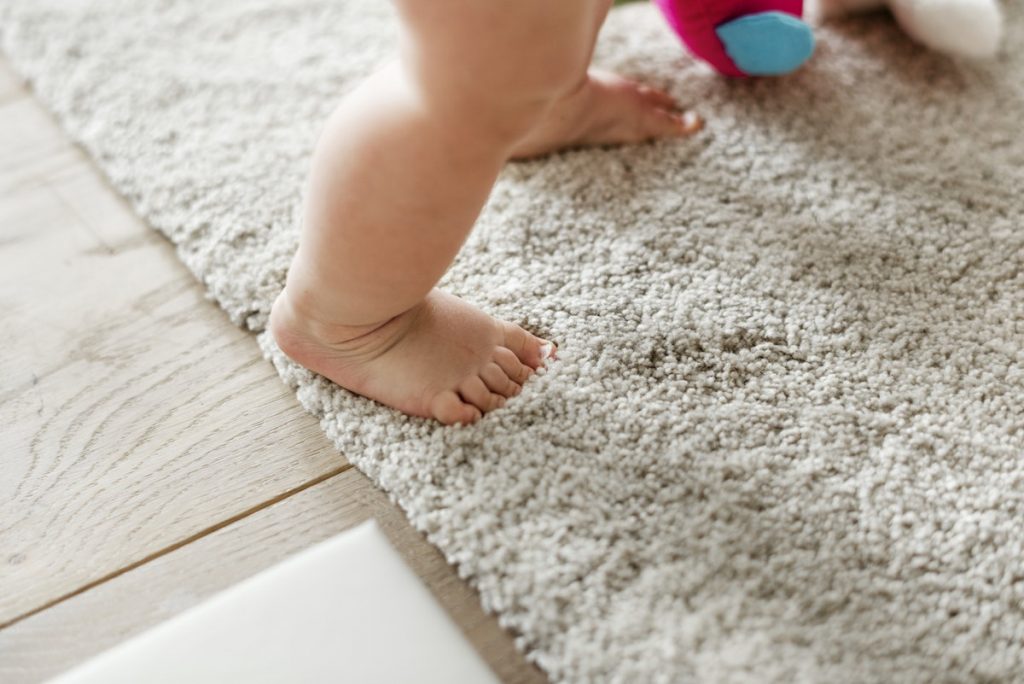 Many people believe that vacuuming a carpet is enough to keep it clean, but this is far from true. In reality, your carpets absorb many more particles, bacteria, allergens, and other substances that vacuuming simply cannot clean completely. The reality is that regular deep cleaning is a necessity for your carpets, and you should plan to arrange deep cleaning at least once each year.
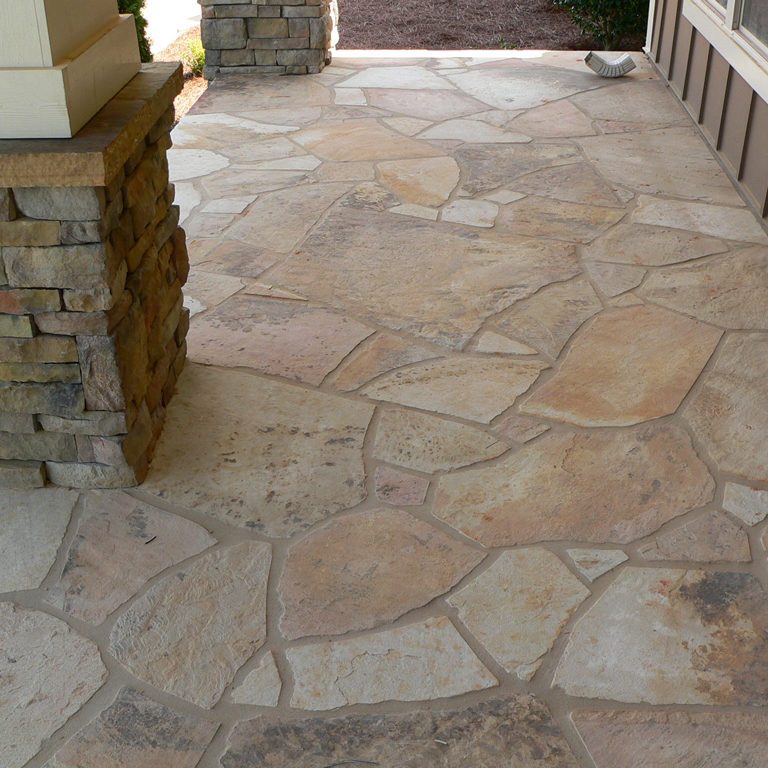 Natural stone flooring needs extra care. When you hire someone to
  Natural stone is a beautiful design element that we use in our homes, both in exterior and interior applications. Stone flooring tiles offer an array of colors and pattern options and are unique because of natural variations in the stone itself. Natural stone requires care and regular maintenance to maintain its polished look.
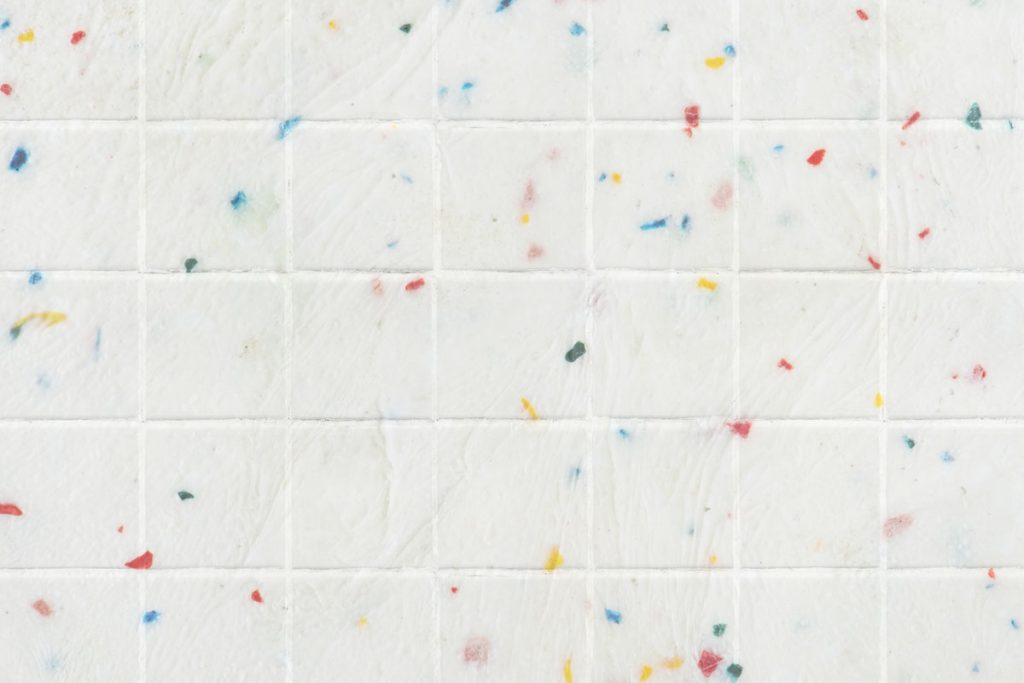 Tile is an excellent choice for many home and business owners due to its beauty, resiliency, and relatively low-maintenance characteristics. While individual scrubbing and mopping does the job on an everyday basis, hiring a tile and grout cleaning company can help you provide routine maintenance to newer floors or even restore old, dull, and dirty floors to their original glory. However, it is important to ensure you’re hiring a trustworthy
 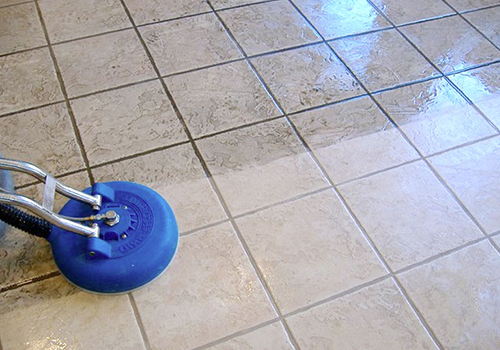 Spring cleaning and fall upkeep are crucial, but they’re usually just the beginning of getting a home clean. Even in the deepest of home cleanings, some areas of the house get missed. One of these places is often your tile and grout. Though you may keep your floors looking sharp with regular cleaning and sanitization, your grout can often look dull, dingy, and detract from the beauty of your flooring. A
  The tile and grout in your kitchen, bathrooms, and flooring requires attention during cold and flu season.
  Kids, pets, or simply everyday use can take a toll on your entire house, including your upholstered furniture.