
Tag

Natural Stone Cleaning

Think Your Floors Are Clean. Here's a simple test = professional surface restoration

Think Your Floors Are Clean? Here’s a Simple Test.

By Carpet Cleaning, Concrete Cleaning, Deep Cleaning, Natural Stone Cleaning, Tile and Grout, Upholstery Cleaning, Wood Floor Cleaning

You vacuum regularly. You mop the tile. You wipe up spills as they happen. On the surface, your floors look clean. But are they really?

The truth is, dirt, allergens, oils, and grime often hide where you can’t see them. Over time, they build up in carpet fibers, grout lines, and other porous surfaces, affecting not only the appearance of your home but also its cleanliness and indoor air quality.

Want to find out how clean your floors really are? Try these five simple tests before deciding whether it’s time for a professional deep cleaning.

The White Sock Test

This is one of the easiest ways to check your carpet.

Put on a clean pair of white socks and walk through your home for 10 to 15 minutes, especially in high-traffic areas like hallways, living rooms, and family rooms. Then take a look at the bottom of your socks.

If they’re noticeably gray or dirty, your carpet is holding onto more soil than you may realize. Even regular vacuuming can’t always remove the fine dirt that’s worked its way deep into the carpet fibers.

RELATED ARTICLE: Why Your Floors Need a Mid-Season Reset

The Flashlight Test

Turn off the overhead lights and shine a flashlight across your carpet or tile floor at a low angle.

The light will reveal dust, pet hair, crumbs, and debris that normally blend into the surface. On carpet, you may also notice flattened traffic lanes where embedded dirt has compressed the fibers. On hard surfaces, you’ll often spot residue that isn’t visible under normal lighting.

It’s a simple test that can quickly reveal areas needing extra attention.

The Water Droplet Test

This one works well for tile and grout.

Place a few drops of water on a grout line. If the water immediately absorbs into the grout instead of beading on the surface, it may indicate that the grout has become porous or that any previous sealer has worn away.

Porous grout absorbs moisture, dirt, and stains much more easily, making professional cleaning and resealing a smart investment.

The Smell Test

Sometimes your nose notices what your eyes don’t.

Leave the house for an hour or two, then return and pay attention to how your home smells. Lingering odors from pets, food, moisture, or everyday living often become trapped deep within carpet and upholstery.

If your home doesn’t smell as fresh as you’d like, the source may be below the surface rather than in the air.

RELATED ARTICLE: The Psychology of a Clean Home

The Barefoot Test

Take off your shoes and slowly walk through your home barefoot.

Does the carpet feel stiff or rough instead of soft? Do wood floors feel sticky or gritty? Those sensations are often signs of residue or embedded dirt that routine cleaning hasn’t removed.

Clean floors shouldn’t just look clean. They should feel clean too.

What These Tests Tell You

None of these tests are scientific, but together they offer a good picture of your home’s condition. If several of them point to hidden dirt or buildup, it’s probably time for a professional deep cleaning.

Professional equipment removes contaminants that household vacuums and mops simply can’t reach. The result is cleaner carpets, brighter tile and grout, fresher upholstery, and a home that not only looks better but feels better.

Questions We’re Asked About How to Tell Floors Are Clean

Q. How can I tell if my carpets need professional cleaning?

A. If your carpets fail the white sock test, have lingering odors, show visible traffic lanes, or no longer feel soft underfoot, it’s likely time for a professional deep cleaning.

Q. Why doesn’t my carpet look dirty even though it is?

A. Fine dirt, dust, pollen, and allergens often settle deep into carpet fibers where they aren’t immediately visible. Over time, they accumulate beneath the surface while the carpet may still appear relatively clean.

Q. How often should tile and grout be professionally cleaned?

A. Most homeowners benefit from professional tile and grout cleaning every 12 to 18 months, depending on foot traffic, pets, and household activity.

Q. Can professional cleaning improve indoor air quality?

A. Yes. Deep cleaning removes dust, allergens, pet dander, and other contaminants trapped in carpet, upholstery, and grout, helping create a cleaner and healthier indoor environment.

Ready to Put Your Floors to the Test?

If your floors didn’t pass every test, don’t worry… you’re not alone. Everyday cleaning is important, but eventually every home benefits from a professional deep cleaning. Professional Surface Restoration has the equipment and expertise to restore your carpets, tile, grout, upholstery, and other surfaces to their best condition.

Contact Professional Surface Restoration today to schedule your next deep cleaning and enjoy a home that looks, feels, and smells cleaner from the ground up.

Why Your Floors Need a Mid-Season Reset - Professional Surface Restoration

Why Your Floors Need a Mid-Season Reset

By Carpet Cleaning, Deep Cleaning, Floor Cleaning, Furniture Cleaning, Natural Stone Cleaning, Upholstery Cleaning, Wood Floor Cleaning

Summer is made for making memories. From backyard barbecues and graduation parties to family vacations and afternoons by the pool, it’s one of the busiest seasons of the year. But while you’re enjoying everything summer has to offer, your floors are quietly collecting the evidence.

By the middle of summer, carpets, tile, grout, and upholstery have likely endured months of extra traffic, dirt, moisture, and spills. Even homes that are cleaned regularly can benefit from a mid-season reset. A professional deep cleaning not only restores the appearance of your floors but also helps protect them before the busy fall season arrives.

Summer Activity Brings More Than Memories Indoors

When school lets out, kids spend more time running between the backyard and the living room. Shoes, bare feet, bicycles, sports equipment, and backpacks all bring dirt and debris inside.

Family pets add to the traffic, tracking in grass clippings, mud, dust, and pollen after every trip outdoors. Even something as simple as mowing the lawn or working in the garden can introduce fine dirt particles that settle deep into carpet fibers.

It may not be obvious day to day, but by midsummer, those small amounts of dirt have added up.

RELATED ARTICLE: Carpet Cleaning Near Me: How Often Should You Deep Clean?

Cookouts and Pool Days Create Extra Wear

Summer entertaining means more guests coming and going. Whether you’re hosting neighborhood cookouts or family gatherings, increased foot traffic naturally puts more stress on your flooring.

Pool days create another challenge. Wet feet leave behind moisture while sunscreen, lotions, and outdoor debris can be transferred onto carpets, rugs, and upholstered furniture. Food and drinks inevitably find their way indoors, increasing the chances of stains and lingering odors.

Even if accidents are cleaned up quickly, residue often remains below the surface where household cleaning products can’t reach.

Vacation Doesn’t Stop Dirt from Coming Home

Vacation can actually add to your home’s cleaning needs.

Suitcases roll through airports, hotels, parking lots, and sidewalks before ending up on your bedroom or living room floor. Beach bags, coolers, hiking shoes, and camping gear often bring sand, dust, and debris back with them.

Combined with weeks of regular summer activity, these hidden contaminants become trapped in carpet fibers and grout lines, gradually dulling the appearance of your home.

RELATED ARTICLE: The Dirt You Can’t See: What Lurks in Your Tile, Grout, and Upholstery

A Mid-Season Reset Protects Your Investment

Professional deep cleaning removes the dirt and residue that routine vacuuming and mopping leave behind. Deep-set soil is extracted from carpets, tile and grout is restored to a brighter appearance, and upholstery is refreshed by removing embedded dirt, allergens, and odors.

More importantly, removing abrasive dirt helps reduce wear on your flooring. Tiny particles act like sandpaper under foot traffic, slowly breaking down carpet fibers and dulling hard surfaces over time.

Scheduling a deep cleaning in the middle of summer helps preserve your home’s appearance while preparing it for the next busy season of football gatherings, back-to-school routines, and holiday entertaining.

RELATED ARTICLE: Is Your Couch Making You Sick? Hidden Upholstery Germs You Don’t Want to Think About

Common Questions We Get Asked

Q. Why should I have my carpets professionally cleaned during the summer?

A. Summer brings increased foot traffic, outdoor dirt, pollen, pets, and entertaining. A mid-season professional cleaning removes deep-set dirt before it causes permanent wear or staining.

Q. Can professional cleaning remove dirt from pool traffic and summer entertaining?

A. Yes. Professional carpet and upholstery cleaning helps remove dirt, oils, food spills, and moisture-related residue left behind by pool days, cookouts, and family gatherings.

Q. How often should I schedule professional floor cleaning?

A. Most homeowners benefit from professional carpet and floor cleaning every 6 to 12 months. Homes with children, pets, or heavy foot traffic may benefit from more frequent service.

Q. Is midsummer a good time for tile and grout cleaning?

A. Absolutely. Tile and grout collect dirt, moisture, and residue throughout the summer. Cleaning them now restores their appearance and prepares your home for increased indoor activity later in the year.

Give Your Home the Mid-Summer Refresh It Deserves

Your family has made plenty of great memories this summer. Unfortunately, your floors have collected plenty of dirt along the way. A professional deep cleaning is the perfect way to restore the beauty of your carpets, tile, grout, and upholstery while protecting them for the months ahead.

Contact Professional Surface Restoration today to schedule your mid-season deep cleaning and enjoy a cleaner, fresher home for the rest of summer and beyond.

Clean Your Natural Stone Floors

Effective Ways to Clean Your Natural Stone Floors

By Natural Stone Cleaning

Natural stone floors are beautiful, but they can be extremely challenging to keep clean. Despite their beauty, natural stone floors have a tendency to become dull and dirty over time because of their porous nature.

While regular cleaning and polishing should help prevent your natural stone floor from becoming too grimy, sometimes you need a little extra help to keep it looking its best. Fortunately, it’s easy to hire a natural stone-cleaning service to get the job done in no time.

Importance of Knowing How to Properly Clean Stone Floors

Whether your natural stone floors have a polished, honed, or flamed finish, it’s important to give them the right care they deserve. A professional can easily identify the category of natural stone to which your flooring material belongs.

Determining what type of stone your floor is made of will help the cleaners know what type of solution to use. Using the wrong type of cleaner may permanently damage the stone because some stones react more strongly to acid than others.

RELATED ARTICLE: Why Is It Important to Hire a Deep Cleaning Service for Your Restaurant?

Best Tips and Practices

Here are some common and practical home-care tips and practices for maintaining the high quality of your stone floors:

Mopping Natural Stone Floors Regularly

Mopping at least once a week prevents dirt and grime buildup on your natural stone floors. You can use a solution with a mild detergent, then thoroughly dry the floors afterward.

Scrub Tile Lines and Crevices

You can scrub the lines and crevices of your natural stone floors using a very soft cloth or sponge. Using an old toothbrush or scouring pad could cause irreparable abrasion to the stone’s surface.

Vacuum with Rotating Brush Deactivated or Broom

When using a vacuum cleaner, turn off the rotating brush first, so it doesn’t scratch the surface of your natural stone floors. Also, don’t use a worn vacuum cleaner as the attachment may permanently etch the surface. You can also use a broom instead.

Use Alkaline or Any Cleansers Safe for Stone Floors

Steer clear of strong cleaners such as vinegar, lemon juice, and acid-based solutions. These can easily corrode the stone’s surface. Only use alkaline formulas or stone-safe soaps.

Use Microfiber Towels and Mops to Clean Your Natural Stone

When it comes to cleaning natural stone floors, dust mops and microfiber towels are your best bet. They’re soft enough for your stone’s surface but provide enough resistance to get rid of the hard gunk safely and effectively.

RELATED ARTICLE: Why Hiring a Professional for Tile and Grout Cleaning In Important in Your Home

For Deep Cleaning and Restoration, Hire Professional Surface Restoration

You don’t need to do back-breaking cleaning just to keep your floors in pristine condition. If you want to keep your natural stone floors looking new, Professional Surface Restoration is a professional surface restoration team that does the work for you.

Stone floors need expert care; it only makes sense to rely on people with a specialized approach for different kinds of floors with varying needs.

Professional Surface Restoration provides safe and efficient hard surface cleaning of natural stone floors. We determine the natural stone’s specific needs and keep them safe and dry using a protective sheet. We polish your floors and leave them looking like the day they were first installed.

For more information on our services, call us at (419) 705-8693 to schedule a free demonstration today!

natural stone stains and how to clean them - professional surface restoration

10 Different Natural Stone Stains and How to Remove Them

By Natural Stone Cleaning

Natural stone stains may seem tedious to remove, yet, at the same time, they can damage your floor’s aesthetics. The truth is that you can remove most stains by applying the proper natural stone cleaning method. It all depends on identifying the source to find the best solution.

Here are ten natural stone stains you might encounter and how to remove each of them.

Oil-Based Stains

You’ll notice a darker stone when there is an oil-based stain. It could be any type of oil, and it will look the same. The best approach is to dissolve it by cleaning it gently with a chemical. The best ones include:

  • Acetone
  • Ammonia
  • Household detergent
  • Liquid cleanser with bleach
  • Mineral spirits

RELATED ARTICLE: The Ultimate Post-Construction Clean-Up Checklist

Organic Stains

Organic stains can come from different sources. They look the same, a pinkish-brown color on stone. The most common stains come from:

  • Tea and coffee
  • Fruit
  • Urine
  • Bird droppings
  • Leaves

The best way to clean them is by using 12% hydrogen peroxide mixed with a few drops of ammonia.

Biological Stains

Biological stains come from moss, fungi, mildew, and the like. The best option is to use a diluted solution. Use a half-cup per gallon of water to dilute any one of the following:

  • Hydrogen peroxide
  • Bleach
  • Ammonia

Ink Stains

Ink stains come from pens and ink. For darker-colored stone, you’ll need to use acetone or a lacquer thinner. On lighter colored ones, hydrogen peroxide or bleach will work.

Paint Stains

Using a commercial heavy liquid paint stripper will remove even heavy paint from your stone floor. However, it may cause etching on the surface, so you’ll need to polish it afterward. When using these items, you’ll need to follow the instructions accurately as they can be harmful.

Hard Water Stains

Accumulation of hard water can cause staining. The best thing to use here is dry 0000 steel wool to buff the stone and remove the stain.

Inorganic Metal Stains

These are typically rust or brown iron stains. You’ll need to use a poultice to remove the stain. However, it’s not guaranteed that you can remove all the rust.

RELATED ARTICLE: Natural Stone Cleaning Dos and Don’ts

Efflorescence

Efflorescence is white power or salt deposits left because of evaporated water. You’ll have to use a dust mop or vacuum several times to remove most of the stain.

Acid Etch Marks

Acid can both etch and stain a stone. You’ll need to clean the area with water. Afterward, use a polishing powder to try and remove the etch mark.

Fire and Smoke Damage

Stains caused by fire and smoke are difficult to remove but not impossible. You’ll first need to vacuum the area. Then try to use any commercial cleaning solution used for fireplaces and the like. You’ll need to follow the instructions carefully.

Hard Cleaning Don’ts for Natural Stone Floors

When cleaning natural stone, there are several things you have to avoid:

  • Acidic materials like vinegar.
  • Worn vacuum cleaners that can cause damage to the stone.
  • Chemicals, unless the above directions say you can.
  • Ammonia and bleach, as this can cause a lethal gas.
  • Abrasive cleaners.

By knowing the sources of stains and what can clean them, you’ll have a better chance of removing the problem altogether. The first step is identifying the problem before applying a cleaning method.

If you can’t seem to get rid of the stain, contact Professional Surface Restoration. We can expertly handle all types of stains affecting natural stone.

We have a reputation for excellence, and the knowledge to get your dull stone floors looking shiny and new again. Call us today at (419) 705-8693 to speak with one of our natural stone cleaning professionals. Professional Surface Restoration has the expertise you are seeking.

5 Questions to Ask Before You Hire a Professional Natural Stone Cleaning Service

By Natural Stone Cleaning

natural stone cleaningNatural stone flooring needs extra care. When you hire someone to clean your natural stone, you want to know that they are qualified. You may not be an expert in the proper care of natural stone but asking the right questions can ensure you are hiring the best natural stone cleaning service.
Here are five questions to ask to get you started….

What Is Your Specialty?

Whenever you are hiring a professional to work on your home, you want to be sure they can handle the job. Many contractors do side jobs that are not their particular focus area, but this isn’t the type of job for a general cleaner. Natural stone flooring and its care requires knowledge that you should only trust to a company that specializes in natural stone cleaning and restoration.

RELATED ARTICLE: 7 Facts to Know About Natural Stone Cleaning

What Are Your Credentials?

One way to make sure your natural stone cleaning service is qualified to handle your project is to ask about their credentials. Anyone can claim that they are skilled in a particular area, but you want to ensure that they can back up their claims. A reputable professional will be glad to share their credentials with you before tackling the job.

How Many Years of Experience Do You Have?

Even if a natural stone cleaning service has the proper training and accreditation, it’s still important to know how much field experience they have. It is essential to hire stone experts who know the individual needs of natural stone varieties. Also, ask how long they have been working in your area. Specifics of climate and weather elements have a major impact on natural stone.

RELATED ARTICLE: How to Choose a Tile and Grout Cleaning Professional

What Materials Will You Use?

Your cleaning service should be able to explain their entire process to you, including what products they use and how they affect your natural stone. You want to be sure they aren’t going to be using anything that is too harsh on your natural stone or on the environment. A quality cleaning service will use cleaning solutions that are EPA and environmentally-friendly.

How Will You Clean Up After the Process Is Finished?

While your stone flooring needs exceptional care, you don’t want to be left with a mess to clean up after someone has cleaned the floors. Discuss all stages of the cleaning process with the potential team and ask whether they will be responsible cleaning up after the floors have been taken care of.

Having a reputable cleaning service that you can trust is essential. If you are looking for an experienced team of natural stone cleaning professionals with a reputation for excellence, call Professional Surface Restoration today at (419) 705-8693.

7 Facts to Know About Natural Stone Cleaning

By Natural Stone Cleaning

natural stone cleaningNatural stone is a beautiful design element that we use in our homes, both in exterior and interior applications. Stone flooring tiles offer an array of colors and pattern options and are unique because of natural variations in the stone itself. Natural stone requires care and regular maintenance to maintain its polished look.

Professional natural stone cleaning is always the way to go with natural stone. Hiring stone experts who know the individual needs of various types of natural stone will keep it shining for years to come. There are some fascinating things you may not know about natural stone.

  • Stone’s shine is not created by a sealant. Sealants used on natural stone only serve to protect its surface. They don’t add any coloring to the stone, nor do they make it shine.
  • Natural stone tiles stain easily. For this reason, your stone flooring needs to be properly sealed. Sealing covers the stone’s porous surface and makes it more stain resistant. You should have a professional reseal your stone floors every year or two.
  • Shades and colors of natural stone vary. Since natural stone is not produced in a factory, it does have natural variations in color. You should always purchase a little more than you need in case there are any pieces that you don’t like the look of, and in case you need it for repairs later.

RELATED ARTICLE: Natural Stone Cleaning Dos and Don’ts

  • Dull stone can be polished. If your natural stone flooring has lost its beautiful shine, professional restoring companies can restore its natural beauty.
  • Restoring stone is a wet process. There is no dust created in stone restoration. Technicians use a wet process to bring out the stone’s unique qualities.
  • Restoring is smarter than replacing. Replacing an entire marble floor can be an expensive undertaking but restoring the surface can make it look brand new again.
  • Different types of stone suit different purposes. The natural qualities of stone make different types ideal for varying uses in the home. Travertine, limestone, and marble are better for floors than countertops, because their very porous surface can harbor food bacteria. Granite is great in all applications, as it is the least porous, and slate is wonderful for outdoor use, because it weathers well in all climates.

If you are looking to add the natural beauty of stone to your home, or if you have stonework that needs to be cleaned or serviced, Professional Surface Restoration has the expertise you are seeking.

We have a reputation for excellence, and the knowledge to get your dull stone floors looking shiny and new again. Call us today at (419) 705-8693 to speak with one of our restoration professionals.

5 Spring Cleaning Tips for Natural Stone Floor Tile

By Natural Stone Cleaning

cleaning natural stone floorMany residential homes feature different types of natural stone floor tile. Compared to other types of floors, such as ceramic tile, wood, and laminate, natural stone floor tile can present its own unique set of cleaning and maintenance challenges. The following tips can make spring cleaning this specific type of floor easier and safer for the material resulting in a longer lasting floor.
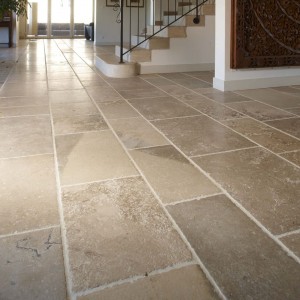
Know Your Floor

Before you begin cleaning your natural stone tile floor, take the time to find out what type of stone you are about to clean. The most common types of stone floors are made of marble, slate, or granite, but there are several more. Knowing what type of stone you are going to clean, will guide you to the correct information on proper cleaning techniques. For instance, granite is usually stronger than marble, which requires more delicate care. If available, consult with the installer or manufacturer on the best cleaning practices for the specific flooring material.

Avoid Acidic Cleaners

As a rule, when cleaning a stone tile floor, avoid using acidic cleaners such as bathroom and grout cleaners. Even though you might be tempted to use multi-purpose cleaning agents such as vinegar or lemon juice, you should avoid them as well. The acidic properties in these cleaners are too strong for the material, which can result in damage to the floor. Use gentle soaps and cleaners specifically made for the stone instead.

Clean Spills Immediately

If you see a spill on the floor, clean it as soon as possible. Blot the spill, as wiping it will spread it. Use water and a mild soap as necessary, but make sure you rinse and dry the area when finished. Call a stone cleaning professional if the stain remains.

Dry Mop Often

When it comes to cleaning daily dirt and grit, no tool is more reliable than a mop. For daily cleaning, you can simply use a dry mop. A wet mop is also effective, but it requires more time and effort than necessary, especially since dry mopping cleans up most of the dirt. Save the damp mop for special occasions. Also, make sure to use micro-fiber and closed-ended string mops to ensure cleaning effectiveness.

Seal the Floor

An important step to take in the maintenance of your natural stone tile floor is sealing the floor with an impregnators or sealants. Stone is a porous material that absorbs all types of dirt, spills, and bacteria that are nearby. Sealing the floor at least every six months is important in keeping these elements away and maintaining the integrity of the stone. Make sure you apply the sealant to a completely dry floor and let it absorb the agent for around 15 minutes before removing any excess chemicals.

The natural stone floors in your Toledo, Ohio home can be a thing of beauty once again. Please call Professional Surface Restoration at (419) 705-8693 to schedule an appointment or request a free estimate.

Natural Stone Floor Cleaning Dos and Don’ts

By Natural Stone Cleaning

natural stone flooringNatural stone floors are a beautiful addition to your home’s interior. Stone is a natural flooring option that uses no dangerous chemicals, but it needs a little extra TLC to stay beautiful. Let’s look at some dos and don’ts for natural stone floor cleaning.

Prevention Goes a Long Way

Prevention is the key to reducing long-term damage. By reducing the amount of dirt and any spills on the surface of the tile, you can keep your floors looking beautiful for their whole life. Remember to always:

  • Remove dirt and sand from the surface of your natural stone floor to avoid scratches.
  • Clean up spills as soon as possible to avoid the liquid leeching into the surface of the stone. Liquids such as lemon juice, cola, and orange juice can cause permanent damage to the stone’s surface if not cleaned up immediately.
  • Use non-slip rugs near entryways to keep dirt from tracking through the house. Stone floors are also slippery when wet.

One of the best methods to protect your natural stone floors is to have them sealed properly. Be sure to choose the proper sealant, and use as directed, or have it professionally done. Having your floors sealed can prevent spills from soaking in and staining or damaging the floors.

Natural Stone Floor Cleaning Tips

Sweep your stone floors daily to remove dirt and grime. You can also vacuum up the dirt and dust for best results. Keeping the dirt off the tiles will slow deterioration of the stone’s surface. Some stone experts believe you should mop stone floors with clear water daily to remove day-to-day build-up.

If using cleaners, they should be designed for stone care. You can also use a solution made of vegetable soap and water. Follow up daily care with regular deep cleanings. Homes with children and pets will require more frequent deep cleanings of the stone.

Don’ts for Stone Floors

While stone floors are fairly durable, there are a few don’ts you need to observe. By avoiding these few things, you’ll be able to keep your stone floors looking beautiful far longer.

  • Don’t use lemon juice, vinegar, or other cleaners containing acids. They will damage the stone’s surface.
  • Don’t use commercial cleaners unless they say specifically they are safe for marble or stone surfaces.
  • Don’t use a vacuum cleaner with worn or missing wheels. They will scratch the surface of your floor.

With a little prevention and daily care, your stone floors will be around for a long time. They will add warmth and beauty to the interior of your home for generations to come. If you are looking for a new flooring option, consider adding stone floors to your home.

For questions about  natural stone cleaning, call Professional Surface Restoration at (419) 705-8693 today.

What to Clean Before Putting Your Home Up for Sale

By Carpet Cleaning, Concrete Cleaning, Deep Cleaning, Furniture Cleaning, Tile and Grout, Upholstery Cleaning, Wood Floor Cleaning

What to cleanSelling your home takes ample preparation, and not just in thinking about the financial aspects and figuring out where you’ll move to next. As you’re working on vacating your home, someone else will be determining if it is the place they want to move into. You need to make sure that everything looks as appealing to a potential buyer as possible.

You want your house to have vibe appeal – that intangible factor that makes it feel like home to a prospective buyer. Despite not having concrete elements, vibe appeal goes a long way to making a sale. While you don’t want to dig into any massive investments that won’t bring you proportionate payout, little touch-ups can make a big difference in making your home more appealing to its future residents.

Surface Cleaning

A clean home is easily one of the major components of vibe appeal, and thorough cleaning means your house will look as attractive to potential buyers as possible. Cleaning up any dust, polishing metals, and wiping down the windows can make a big impression on visitors.

Carpet

You don’t just want to stop at surface cleaning, however. Beyond general tidiness, give your carpets a thorough once-over. Don’t just stop at vacuuming; get your carpets professionally cleaned so they look and feel the best they can.

Tile and Grout

Tiles make for a great stylistic choice, but grout has the unfortunate tendency to show staining, even with regular cleaning. A full-scale deep cleaning of grout can make your tile look tip-top, giving the impression of newer tiles.

While all tiles are important, you want to take special care when tending to your bathroom. A dirty bathroom can give the impression that the whole home is dirty. Eliminating any traces of dirty grout will help your restroom contribute to the sale of your home instead of driving potential buyers away.

Front Lawn and Driveway

The adage “don’t judge a book by its cover” unfortunately does not apply to homebuyers. Before they even consider taking a tour, potential buyers will decide if they want to buy your house based on the front exterior. You need to do a little more than stick a “for sale” sign in your driveway to make people want to step inside.

Make sure you’ve tended to your front lawn. Adding a few plants and flowers helps make your house look attractive to others. If you have a driveway, keeping that in shape is essential, as well. Tend to any potential cracks and power wash the concrete.

Removing Clutter

There’s a chance your house has been your home for a substantial amount of time, and it’s filled with your belongings and memories. You need to remove as much mess as possible. Clean up any clutter for showings, so potential buyers can feel they have enough space and imagine themselves at home. For areas such as closets, removing at least half of your clothes can make the space seem roomier.

Cleaning is easily one of the most critical parts in successfully selling your home. Be as thorough as possible and watch your vibe appeal increase as a result.

Thinking about putting your home up for sale? Call us today at (419) 705-8693 to request a FREE demo.

5 Cleaning Tips to Maintain Your Concrete Surfaces

By Concrete Cleaning

concrete surfacesWith summer right around the bend, many homeowners will be pursuing their deep-cleaning plans to prepare their homes for the warmer months. Many homeowners forget to include the cleaning of hard surfaces, such as concrete and natural stone in their cleaning efforts. These surfaces require routine maintenance and cleaning, especially if you want to keep them looking great between professional cleaning and sealing services.

To make sure the concrete surfaces of your patio and around your pool are ready in time for the spring and summer months, check out the following five ways to keep your hard surfaces looking as good as possible:

  1. Use Baking Soda or Vinegar-Based Solutions

Baking soda and vinegar are two great ingredients for cleaning cement and concrete patios. Both are safe and natural options. To remove heavy stains, use a mixture of equal parts vinegar and water. For a gentler cleaning solution, mix ½ cup baking soda with one gallon of water and 1/8 cup of liquid dishwashing detergent. Simply spray your patio thoroughly, scour, and rinse completely.

  1. Pressure Washing

If your patio is severely stained or mildewed, it might be a good idea to utilize a pressure washer, which can be rented or purchased at a tool rental center or your local home improvement store. Be sure to follow the directions when using the machine and to wear eye protection because these machines send water out in quick, forceful streams.

  1. Protect Stains with Concrete Sealer

When your patio is thoroughly cleaned, you can ensure it is safe from additional stains with the use of a concrete sealer. Always begin at the center of your patio and use a paint roller to spread the sealant out to the corners. When your patio is dry, it will be shiny and clear just in time your first barbecue of the season.

  1. Use Walk Off Mats

Dirt can erode the exterior layer of a hard surface, and it can cause serious damage if it is not kept at bay. If you have concrete flooring inside your home, experts say having at a walk off mat with a length of at least 5 feet can reduce approximately 35 percent of the soil from reaching a hard surface. Even better, a walk off mat of 25 feet can deter nearly all of the soil from getting to and deteriorating your hard surface floor covering.

  1. Conduct Routine Maintenance of Concrete Surfaces

The best way to avoid lasting stains and surface erosion to your hard surface flooring is to reduce the amount of debris and dirt that accumulates on a regular basis. Basic weekly or monthly upkeep means starting with dry maintenance procedures including sweeping, dusting, microfiber mopping, and vacuuming, and then moving on to wet maintenance procedures, such as spot and wet or damp mopping.

For questions about how to maintain your concrete surfaces, call Professional Surface Restoration at (419) 705-8693 today.